Rig studio

Camera boards that stay calm when the ice is not

Here we strip rigs down to their boards: camera, cables, lights and batteries arranged so you can move from hole to hole without thinking about the hardware.

  • Layouts that can be lifted with one hand while the other holds the rod.
  • Cables grouped by job: power, video, audio — never a nest.
  • Controls placed where cold fingers actually land in gloves.
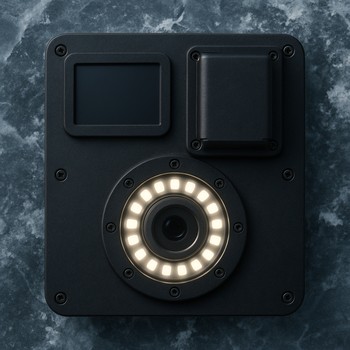
Top view of a compact camera board with screen, battery and LED ring
Main board: screen, battery and LEDs arranged for gloved hands.
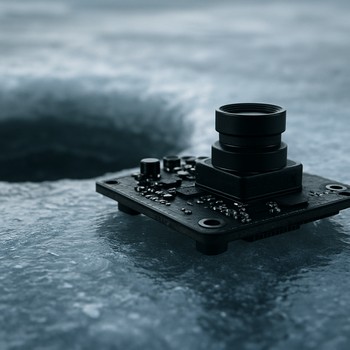
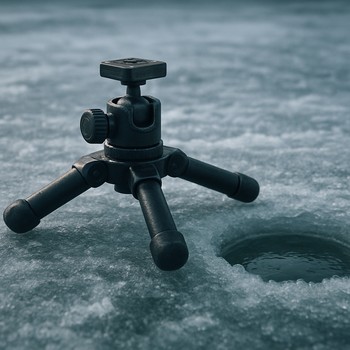
Camera board resting on ice next to an open hole
Side profile: low center of gravity so wind cannot flip it.
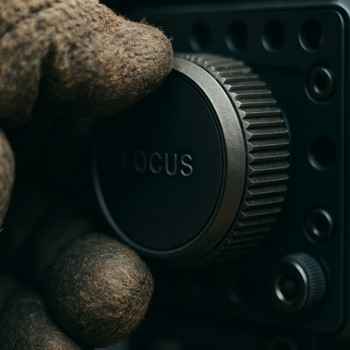
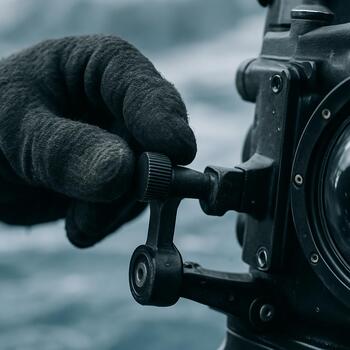
Close-up of a large focus knob adjusted with a gloved hand
Oversized knob: focus and tilt without taking off gloves.

Layout lanes

Three board shapes for three under-ice styles

Most rigs you see in our episodes fall into one of these lanes: wide camp boards, narrow solo sticks or tripod-centric rigs.

Camp board

Wide & shared

A broad board that sits inside the shelter: everyone can see the screen, and there is space for mugs and spare jigs.

  • Screen in the middle, light controls to the left.
  • Audio recorder and spare batteries at the rear edge.
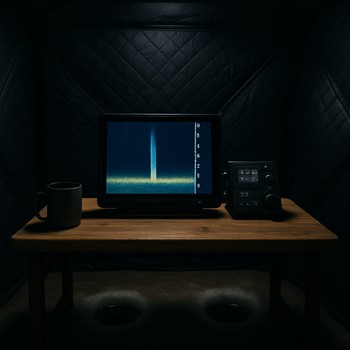
Wide camera board inside an ice shelter with screen and recorder
Solo stick

Narrow & roaming

A long, slim board you carry from hole to hole. The camera hangs just over the opening, and the battery rides behind.
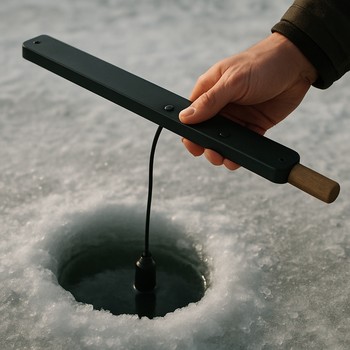
  • Grip handle at the front for quick repositioning.
  • Single cable bundle running along one side only.
Narrow roaming rig held over an ice hole by one hand
Tripod hub

Stable & patient

A tripod-centered layout where the board lives on a small plate above the legs, leaving the camera free to dip and tilt.
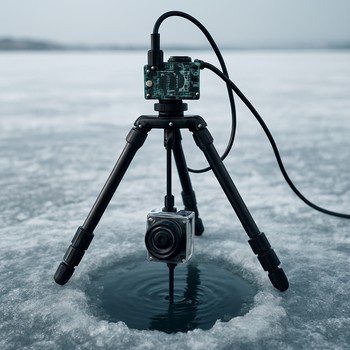
  • Board plate mounted just above the tripod collar.
  • Weights on the legs instead of clutter on the ice.
Tripod-based under-ice rig with camera hanging into the hole

Lighting lab

Cones of light that reveal fish, not cables

We treat each light as a cone you can draw on the ice. Narrow it to see details, widen it for mood, or tilt it to keep cables in shadow.
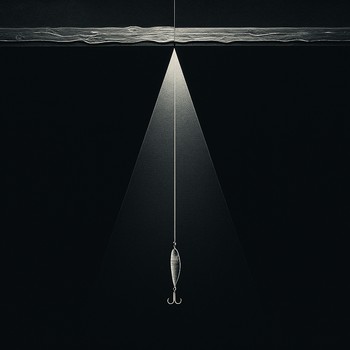
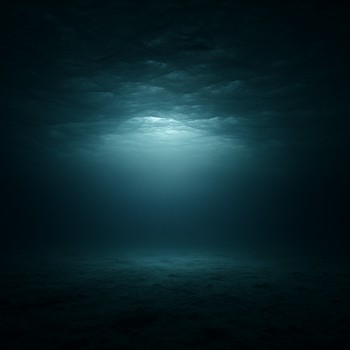
  • Narrow spot for tracking a single jig and its followers.
  • Soft dome light when you want the whole under-ice room visible.
  • Side beam that catches silhouettes but leaves the hole dark.
Diagram of a narrow light cone pointing straight down into the hole
Narrow cone: sharp beam for lure detail and clear silhouettes.
Soft dome of light under the ice illuminating a wide area
Dome preset: gentle spread for calm, ambient episodes.
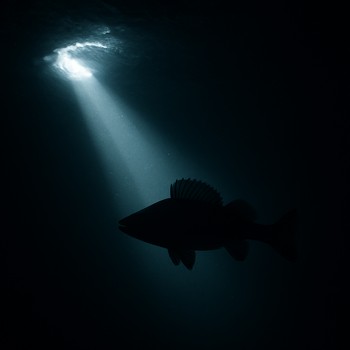
Side beam light entering through the ice and catching fish silhouettes
Side beam: angled light that paints only the passing fish.

Cable routing

Keep every line hugging the board, not the ice

We design cable paths like small river systems. Power, video and audio have their own banks so you can fix a snag in seconds, even in dim light.
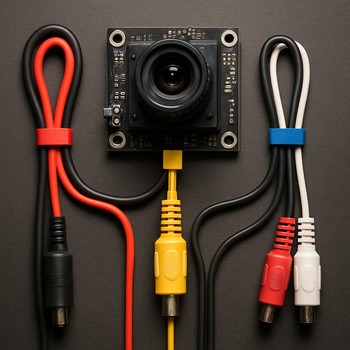
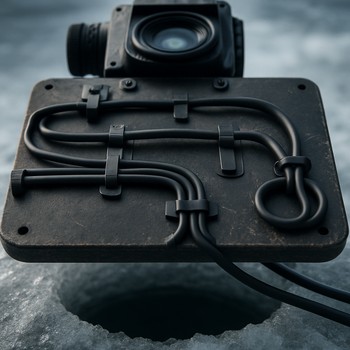
  • One side for all power runs, one side for all signal runs.
  • Loops anchored at fixed points — no free-floating rings around the hole.
  • Color tags that match your inputs on the recorder or monitor.
Top view of a camera board with neatly routed cables and small tags
Tagged paths: power on one edge, video on the other, audio down the center.
Underside of a board showing cable clips and strain relief loops
Underside map: clips and soft loops prevent strain at the hole edge.

Power blocks

Batteries that behave like calm little bricks

Power is the heaviest part of the rig, so we treat it like architecture. Blocks sit low, close to hands and always in the same pattern.

Field brick row

Three small packs lined along the back edge of the board, feeding camera, lights and recorder separately.
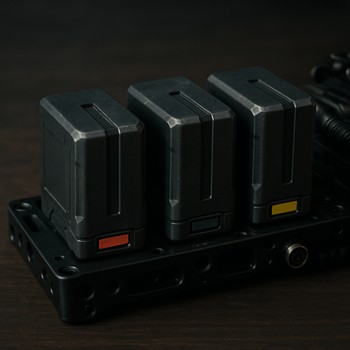
  • Each brick labeled by voltage and runtime window.
  • Short leads only — no long power snakes on the ice.
Row of small power packs lined along the rear edge of a board
Rear brick row: weight pressed into the ice, not hanging over the hole.

Side pocket core

One larger core battery riding in a soft pocket on the side of the shelter, linked with a single umbilical cable.
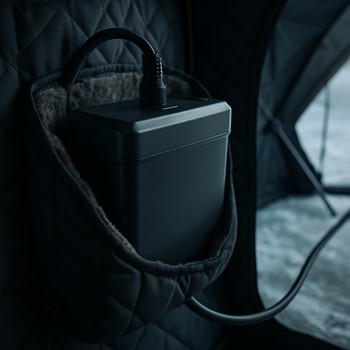
  • Only one cable crossing the floor to the board.
  • Quick disconnect if you need to move fast.
Battery pack tucked into a side pocket of an ice shelter with one cable
Side pocket pack: power sits off the board but stays within reach.

Mount lab

Clamps and arms that do not squeak on camera

The wrong mount talks louder than the fish. We pick arms and clamps that move quietly, lock once and do not twist when the ice shifts.
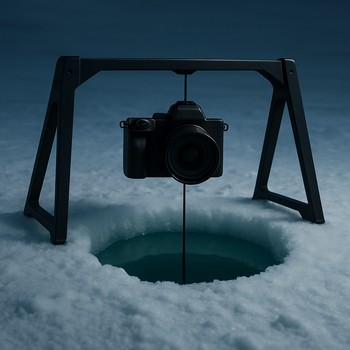
Bridge-style mount spanning the ice hole with the camera hanging in the center
Hole bridge: a quiet span that keeps the camera fixed in the cone.
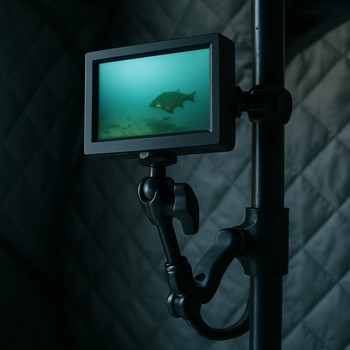
Clamp arm mounted to an ice shelter pole holding a small monitor
Shelter clamp: arm on a pole so the monitor floats at eye height.
Low-profile tripod with weighted legs positioned beside the hole
Low tripod: weighted legs that never creep toward the opening.

Grips

Handles that stay friendly in thick gloves

The board is useless if you hate holding it. We shape handles so they feel obvious even when the hut is dark.
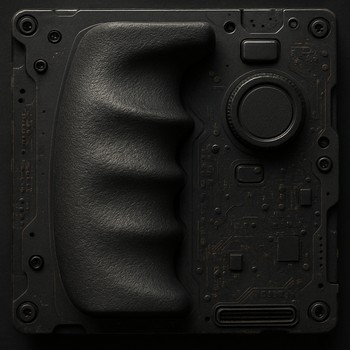
  • Front grab point tells you instantly where the nose is.
  • Side slot for carrying the rig like a briefcase.
  • Soft underside so it rests quietly on the box or ice.
Top view of a camera board with a wide front handle cutout
Wide front grip: board lifts straight up without tilting the camera.
Close-up of a padded side handle held by a gloved hand
Padded side handle: calm carry between holes, even with thick mitts.

Screens

Two screen heights that cover almost every rig

We either keep the monitor low on the box or float it high inside the shelter. Most anglers pick one and never look back.
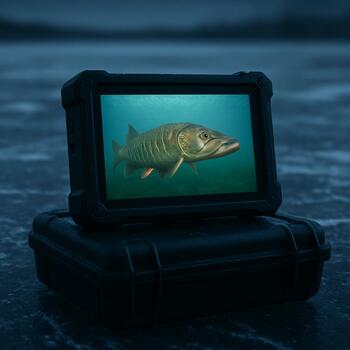
Small monitor resting on a tackle box right beside the ice hole

Low box view

Monitor sits on the box, close to the hole. Perfect when you fish alone and sit low anyway.
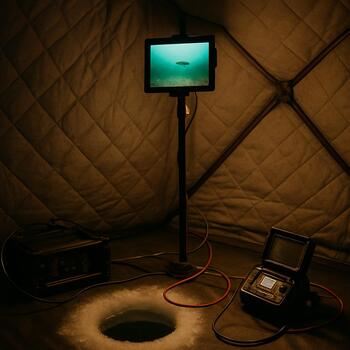
Monitor hanging from a shelter pole at eye level

High shelter view

Screen floats at eye level on a clamp arm so everyone in the hut can glance without leaning.

Field tests

Three quick checks before a rig is allowed on a trip

We run each board through a short backyard trial: snow, dark and wind. If it shakes or squeaks, it stays home.
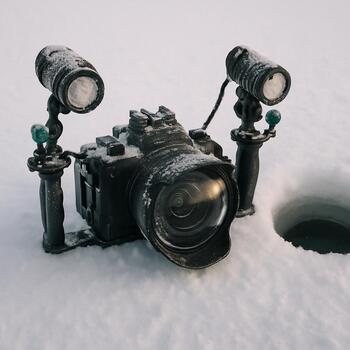
Rig sitting in a small snow drift during a daylight test

Snow drift shake

We bury the legs a little and kick the snow to see what moves.
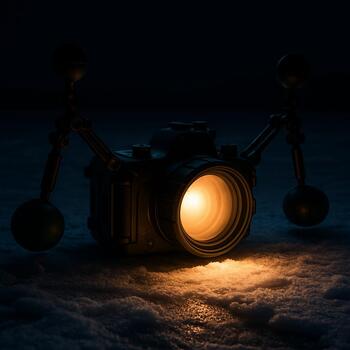
Rig glowing softly in the dark with the monitor and LEDs on

Night glow check

Lights and screen on low to confirm nothing blasts the ice white.
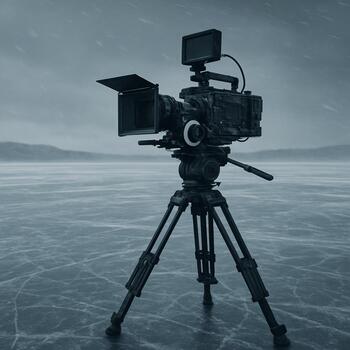
Tripod-based rig standing alone on open snow in the wind

Wind stand

Gusts hit the board from the side. If it twists, we change weights.

Rig recipes

Three presets when you do not want to start from zero

These layouts show up again and again in our sessions. Pick one, change a detail or two and you are ready to drop the camera.

Preset 01

Solo night board

Narrow board with a single handle, one battery row and a modest LED cone for quiet solo hours.
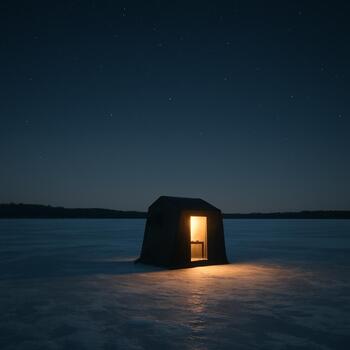
  • Monitor angled low for sitting on the box.
  • Headphone jack on the near edge, not at the back.
Compact under-ice board with one screen and soft night lighting
Solo night: one cone of light, one cable bundle, one angler.
Preset 02

Camp talk board

Wide board that lives in the shelter and invites chatter around the screen.
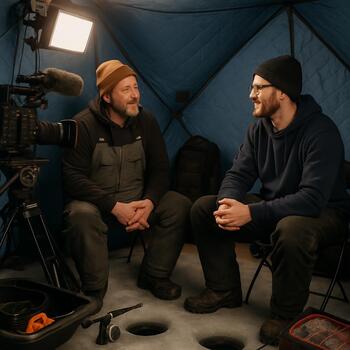
  • Screen centered, audio recorder off to one corner.
  • Cups and small tackle tray get their own “quiet zone”.
Wide camera board inside a shelter with screen and space for mugs
Camp preset: everyone can lean in without bumping cables.
Preset 03

Tripod long shot

Board plate perched above a tripod, ready for long, patient time-lapses over one hole.
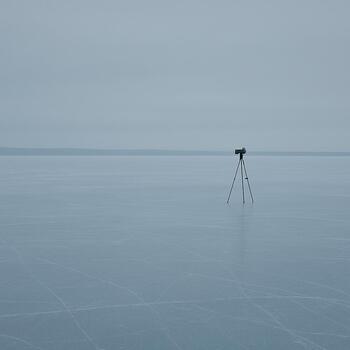
  • Weight bags on the legs instead of on the board.
  • Cable slack parked in a loop below the plate.
Tripod-based rig with a small board plate above the legs
Long shot preset: built for hours of almost no movement.

Footprints

Where the rig actually lives in the shelter

We sketch the floor before drilling the hole: where the box stands, where the board rests and where feet can move freely.
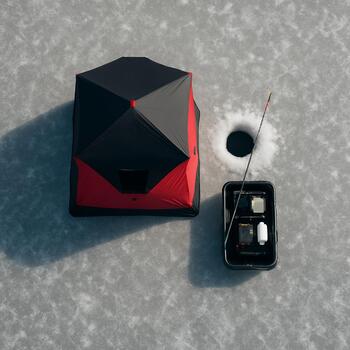
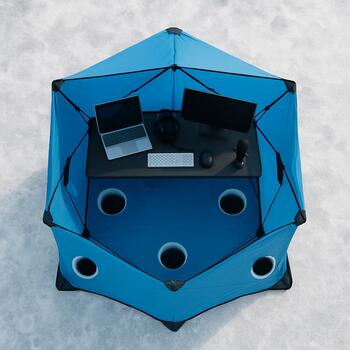
  • Keep one clean lane from door to box.
  • Leave space for a second angle if the story demands it.

Modes

One rig, two states: fishing and travel

A good under-ice rig flips between “ready by the hole” and “strapped for the walk” in under a minute.
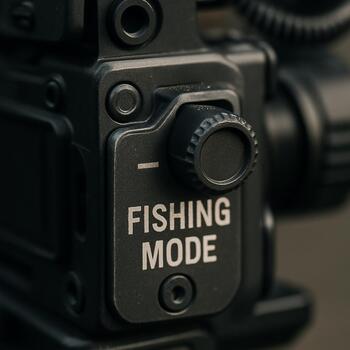
Fishing mode

Rig opened beside the ice hole with cables and monitor ready

Board open, cables relaxed, monitor bright enough to read silhouettes but not blind the hut.
  • Handle extended and easy to grab.
  • Single bundle going to power, nothing crossing boots.

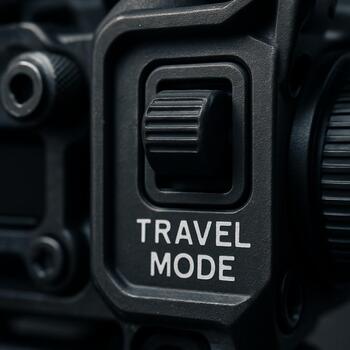
Travel mode

Rig folded flat and strapped to a sled or box

Screen folded in, cables hugged to the board and the whole rig strapped flat to the sled or box.

  • Nothing protrudes past the board edges.
  • Strap path marked so you wrap it the same way every time.

Fine tune

Two tiny tweaks that fix most rigs

Before we call a rig finished, we always check the dial and the dimmer. A smoother move here means calmer footage later.
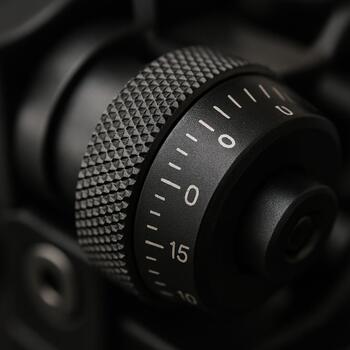
Close-up of a camera tilt dial with clear marking lines

Smooth tilt dial

We ease the tilt dial until it moves in small, clean steps instead of jumps.
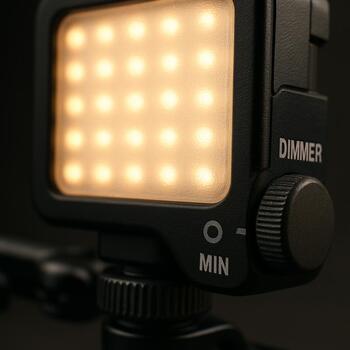
Hand adjusting a small LED dimmer wheel on the rig

Quiet light wheel

Dimmer wheel should glide from dark to bright without flicker or clicks.

Cold care

Simple routine that keeps the board alive all winter

After each outing we give the rig a short cooldown ritual: wipe, thaw and dry. It takes minutes and saves cables from snapping in February.
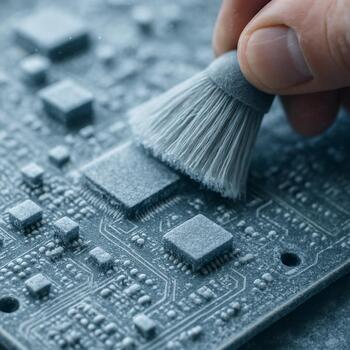
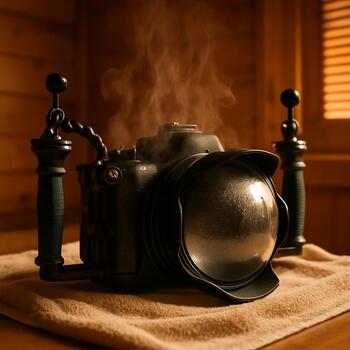
  • Brush off loose frost before coming into the warm car.
  • Let the board rest flat while the ice melt drips away.

Next move

Once the rig feels right, give its night a name

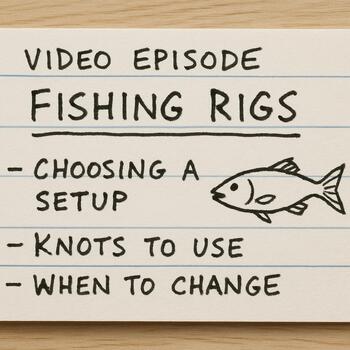
Rigs exist to feed the logbook. After you are happy with the layout, the very next step is to mark an episode and send it over.
Rig shelf

From random pile to calm little studio

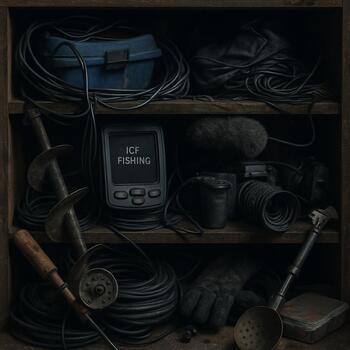
We like to see the rig shelf as a quiet row: camera, power and sound in clear spots instead of a moving hill of gear.
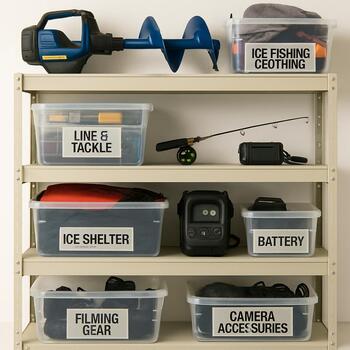
  • One shelf level just for the board and its batteries.
  • Hooks for cables so nothing slides when the door opens.
Messy shelf with camera gear and cables stacked on top of each other
Before: cables crawling over boxes, hard to grab just one rig.
Neatly arranged shelf with the rig board, batteries and camera lined up
After: one clean row where the whole board lifts out at once.

Marking

Small labels that quietly explain the rig

A few clear marks on the board save minutes in the dark. We keep the language short and the colors gentle.
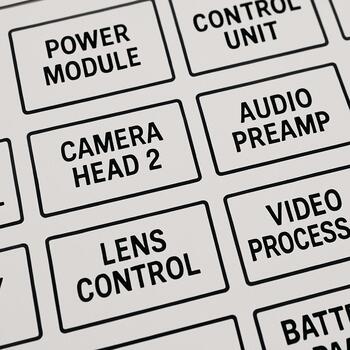
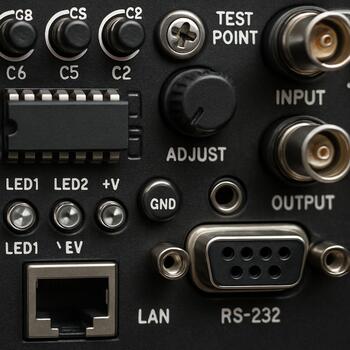
Power Video Audio
  • Icons instead of long words near each connector.
  • Color tints that match tags on the cables.

Packing row

Last look before the rig leaves the house

On the way out, we line the board up with just two things: sled and box. If it fits this row, it will behave on the ice.
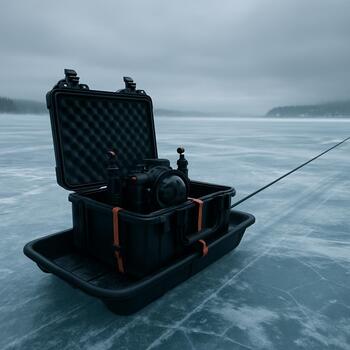
Rig strapped flat on a small sled beside a tackle box

Flat on the sled

The board rides flat with one strap. Nothing sticks out past the sled edges.
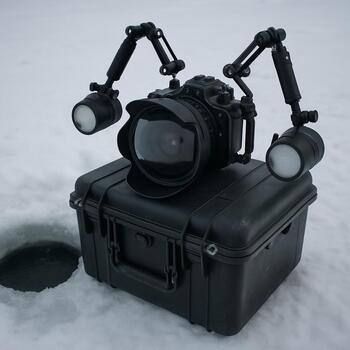
Rig fixed on top of a sturdy box with the handle facing forward

Locked on the box

Handle points forward, cables locked in, ready to go straight from sled to hole.