Under-ice media lab
Turn your ice holes into story studios
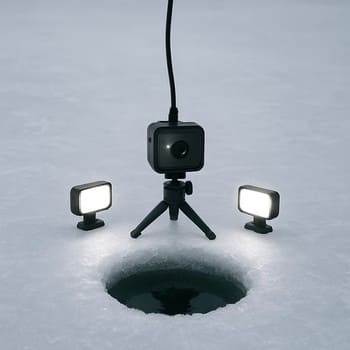
IceLens Stories is a creative space for anglers who think in frames, not only in bites. Here an ordinary fishing hole becomes a camera port, and every flicker of a fin can be captured, labeled and retold as a scene.
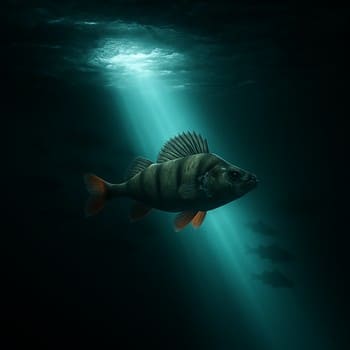
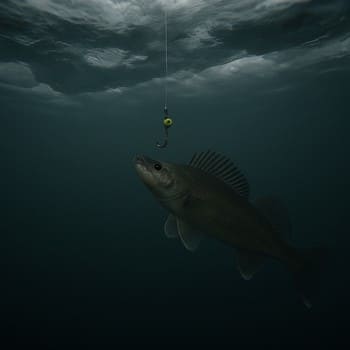
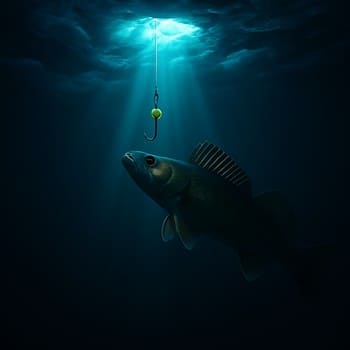
Instead of chasing locations on a map, we chase viewpoints: how the water looks when LED rings glow under clean black ice, how a school of perch moves through your beam, how a cautious walleye circles your jig just out of frame. We collect episodes rather than trophies and then break them down into light, movement and sound.
On this home page you will step into the lab: discover the core idea of under-ice storytelling, see how camera rigs are built into minimalistic ice setups, explore our episode taxonomy and meet creators who narrate their sessions in chapters instead of reports.
Episodes instead of spots • Rigs instead of random mounts • Stories instead of silent footage
Signals we chase
Reading under-ice scenes like a subtle radar
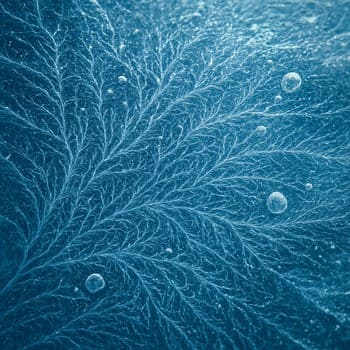
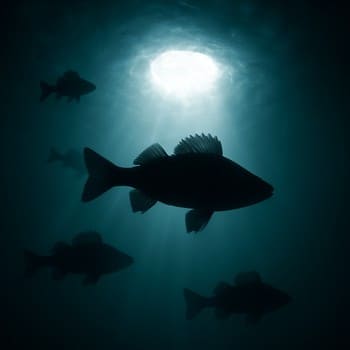
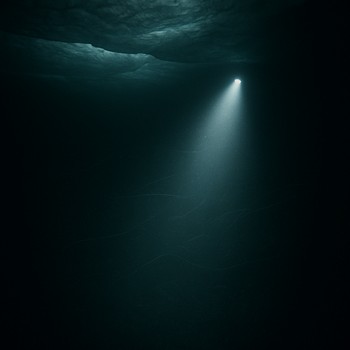
Instead of searching for “hot spots” on a map, we look for micro-patterns on screen: how bubbles freeze into veins, how a school bends around your beam, how silt clouds mark an unseen entry.
-
Trails
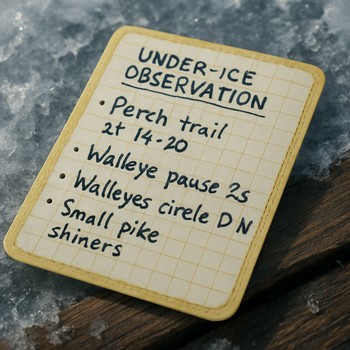
Thin lines of bubbles and dust showing where fish prefer to cross your frame.
-
Entries
The dim edges where silhouettes first appear before swimming into the light cone.
-
Pauses
Those two-second hesitations that tell more than any strike.
Episode spectrum
From silent frames to full-crew chaos
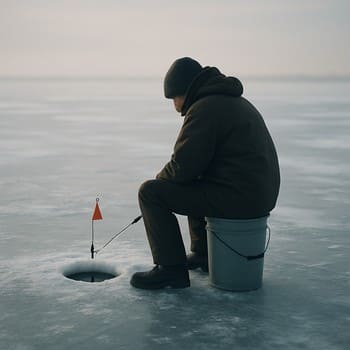
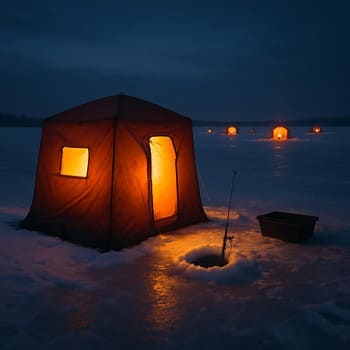
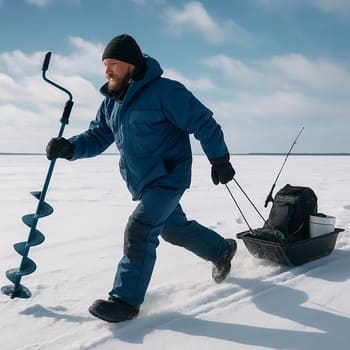
Every session falls somewhere between a meditative solo hole and a loud camp full of laughter. We label episodes by mood and density, not just by species.
Rig philosophy
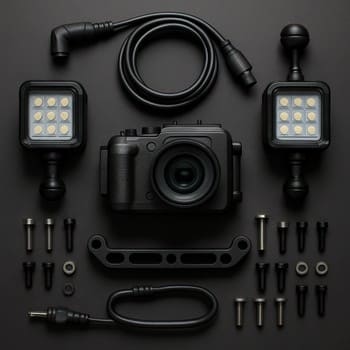
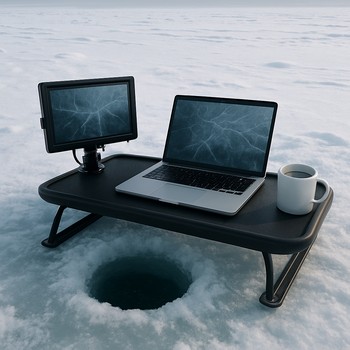
Compact boards instead of tangled cables
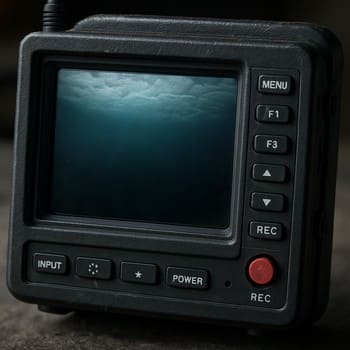
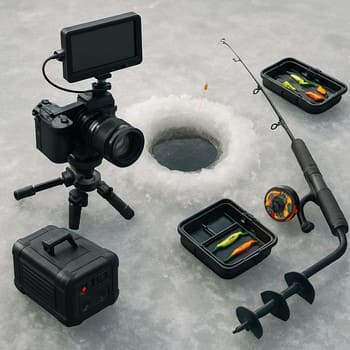
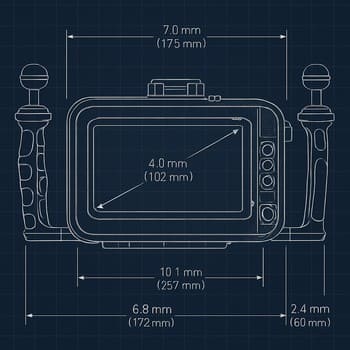
We treat every camera setup like a minimal board: one surface for all controls, one clean route for cables and one clear idea for how the frame will feel.
- No dangling cables that sneak into your footage.
- Rigs that can be moved in one hand while the other holds a rod.
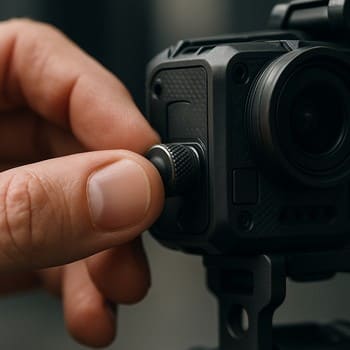
- Controls grouped by how often you actually touch them on ice.
Frame lab
Three tiny experiments for your next hole
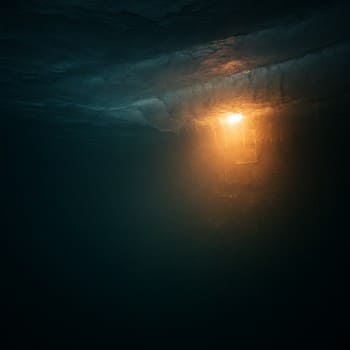
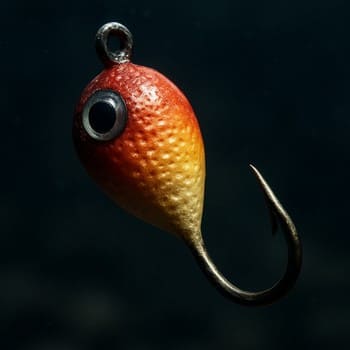
Before we talk about advanced rigs, we start with simple frame experiments: move the lens a little higher, let more ice edge into the shot, or push the glow further out.
Episode recipes
Two quick formats that always work
When the ice is good but time is short, these formats give you structure: one is quiet and slow, the other is more playful.
Five-minute single take
One camera, one hole, no cuts. Just drift and ambient sound, perfect for seeing how fish behave when you do nothing.
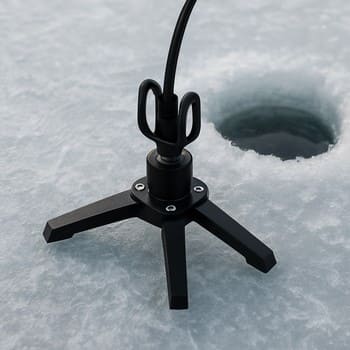
- Tripod locked, no panning.
- LED on low, gain slightly raised.
- Just trim the ends and publish.
Ten cuts in one evening
Short cuts from different holes: a missed bite, a roaming shadow, a closeup of the lure, the shelter glowing from afar.
- Record 15–20 short clips.
- Keep each shot under 8–10 seconds.
- Mix closeups with wide silhouettes.
Soundscapes
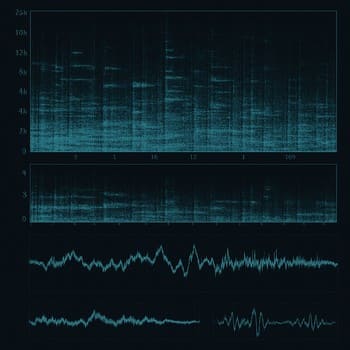
A thin lane of sounds under your footage
Every episode carries a sound line: wind, crunching snow, quiet beeps and small splashes. We keep that lane as important as the image.
00:00 – 02:30
Hole wakes up
Auger echoes fade, then only faint dripping and distant voices. Perfect opening for a calm episode.
04:10 – 06:40
Cracking sheet
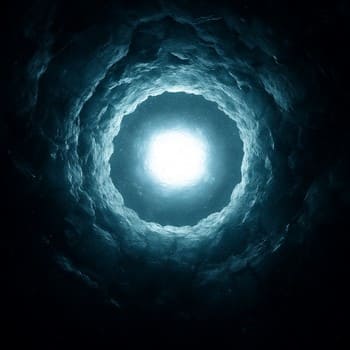
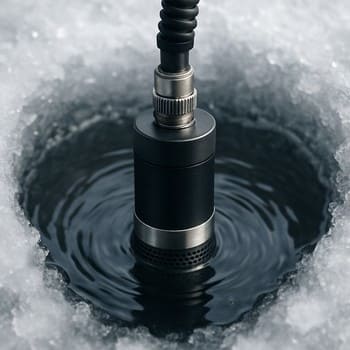
Low booms and gentle pops travel under the ice while the camera stares at an almost still cone of light.
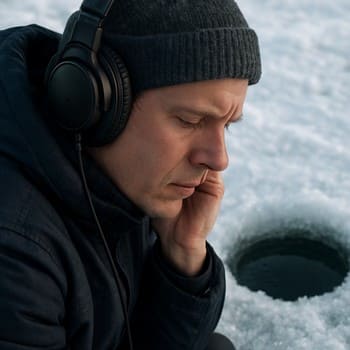
11:00 – 13:20
Camp chorus
Laughter, clinking mugs and short calls when someone hooks up. Great material for a more playful cut.
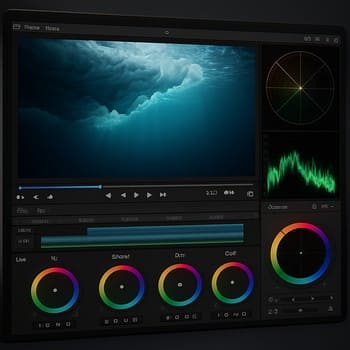
Color board
Keep the ice cold, not radioactive
Under-ice scenes are easy to oversaturate. We prefer subtle grading where water stays dark and only glows in small accents.
Creators
Three roles that orbit a single hole
You do not need a big team, but thinking in roles helps: one person listens, one watches the screen, and one feels the rod.
Lens angler
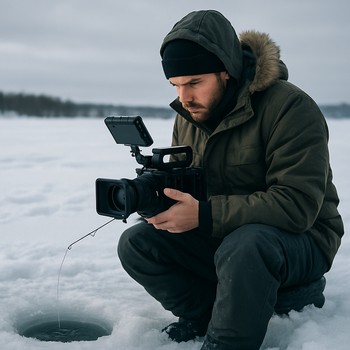
Feels every tap on the rod and calls out moments that deserve a marker on the timeline.
Screen watcher
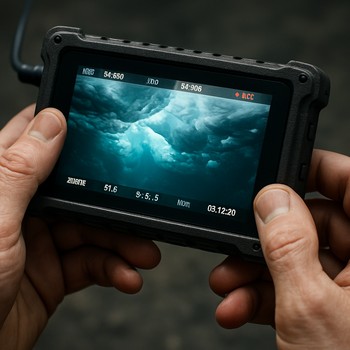
Tracks silhouettes, keeps exposure in check and notices tiny patterns the others might miss.
Pack editor
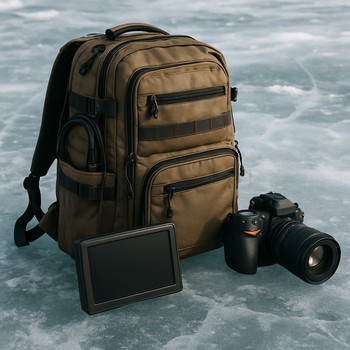
Collects cards, backs up footage and thinks in chapters while everyone else still fishes.
Micro moves
Mark tiny shifts that change the whole story
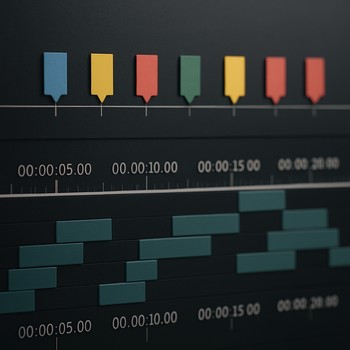
Under-ice episodes are built from micro moves: a half step of the jig, a short pan of the lens, a silent pause. We mark those moves so you can find them later in the edit.
-
Soft lift
A slow rise of the lure that pulls silhouettes into the light.
-
Light cut
One tap on the dimmer, just enough to reveal texture in the ice.
-
Silent hold
Three seconds of stillness where fish finally commit.
Packing discipline
A small kit that always knows where each cable lives
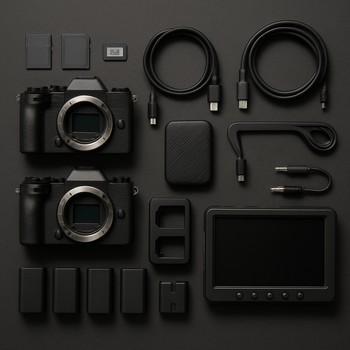
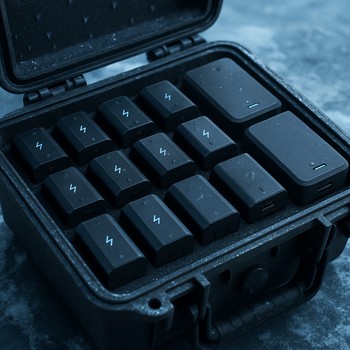
The best under-ice stories die in tangled bags. We keep a strict, simple packing pattern so the rig sets up in minutes.
Layers, not piles
Camera board, audio pouch and light pouch stacked in layers, never thrown in together.
Cables by length
Short leads stay on the board, long ones live in soft loops against the wall of the bag.
Battery ritual
Charged cells face up, empty ones flipped. No guessing in the dark hut.
Export ritual
Four tiny checks before you share the ice
We like to end every session with a short ritual. It keeps episodes consistent and protects them from getting lost on random drives.
-
01
Name the episode
Pick a real title, not just a date: “Night halo drift” tells a future you much more than “2025-02-14”.
-
02
Tag the mood
Solo, duo or crew? Calm, roaming or storm? One or two tags are enough to find the clip later.
-
03
Lock the audio
Trim loud bumps, keep the natural under-ice layer and save a clean WAV when you can.
-
04
Back it up twice
One copy on a small field drive, one on your main archive at home. Ice nights deserve redundancy.
Closing scene
When the lens leaves the ice, the story should not
IceLens Stories exists for that gap between the hole and the hard drive. Here your footage becomes episodes, your notes become captions and your rig sketches become repeatable layouts.
If tonight you film even a single quiet cone of light, you already have material for the lab. Bring it to the rigs page to refine your setup, then to the logbook to give it a name.