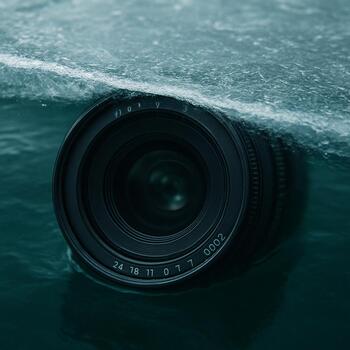
Ice logbook

Episodes instead of spots on a map

The logbook is not a list of locations. It is a row of nights, holes and cameras — each one tagged by mood, light and fish behavior under the ice.

Every entry here comes with the same core notes: depth, bottom type, lure, light cone and how the fish actually behaved on screen.
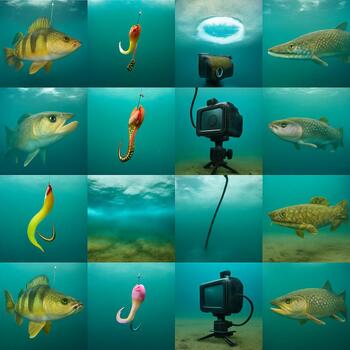
  • First clear ice
  • Soft dome night
  • School under shelter
  • Quick visit
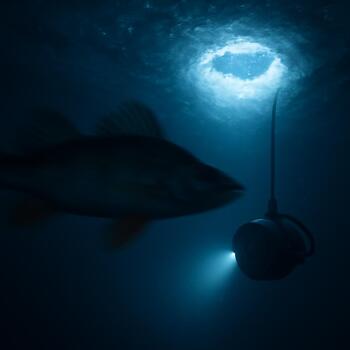
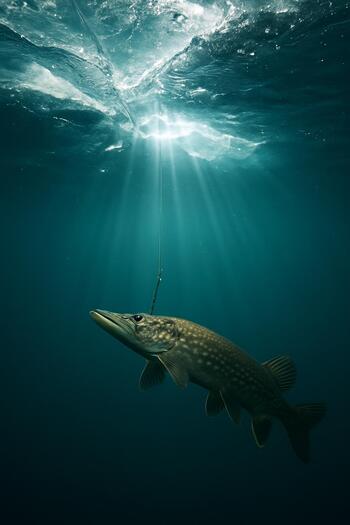
Under-ice scene with a lure and several cautious fish in the beam
One cone of light, one lure and a slow circle of curious fish.
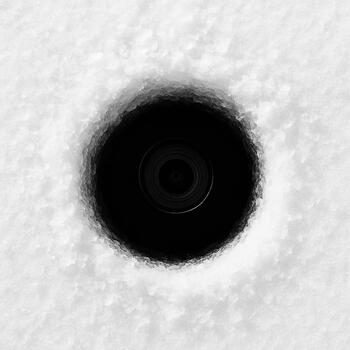
View from above showing an ice hole and a camera cable disappearing below
Top view: the hole, cable and short note about the night.
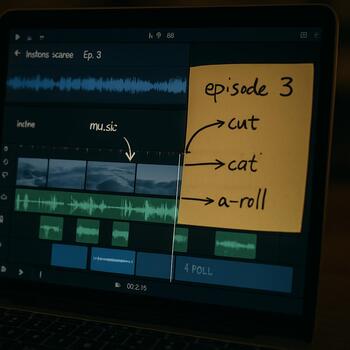
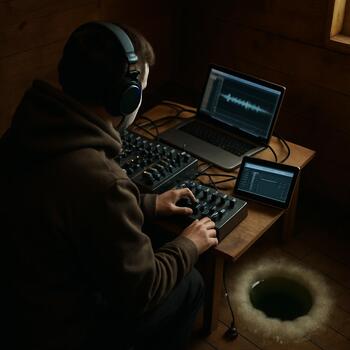
Monitor on the ice with handwritten episode notes beside it
Screen and notebook: every good scene becomes an episode card.

Tag rail

Tag episodes by how the ice felt, not by GPS

We sort nights by mood and movement. A “slow lift under dome light” tells more than any set of coordinates.

Mood tags

  • Calm window — quiet under-ice room, soft dome light.
  • Rush hour — school bursts in and leaves just as fast.
  • Solo scout — one fish looping in and out of frame.

Behavior tags

  • Follow & turn — chase without bite.
  • Slow rise — lure and fish climbing together.
  • Flash pass — blink-and-miss drive-bys in the edge of cone.
Close-up of printed tag rail with labels like Calm window and Rush hour
Printed rail: mood tags sit above each episode entry.
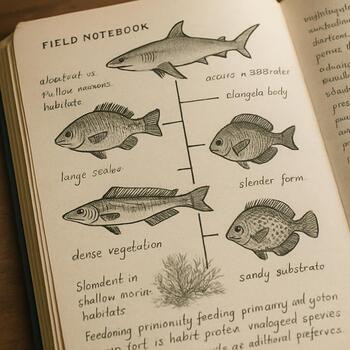
Notebook page with hand-drawn lines grouping episode tags
Notebook taxonomy: small groups of similar nights.

Night line

One episode as a short timeline

We keep one simple row: hole drilled, first visit, best moment, last frame.
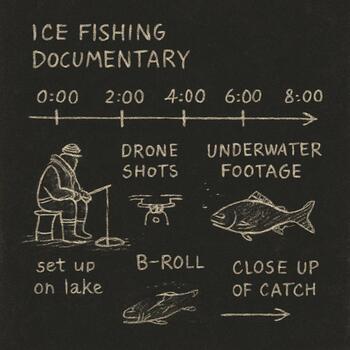
  • Time stamps lifted straight from the camera clock.
  • Only three marks per night so it stays readable.

Depth lanes

Group episodes by how far the camera hangs

Instead of one big number, we drop nights into three lanes: very shallow, mid and deeper water.
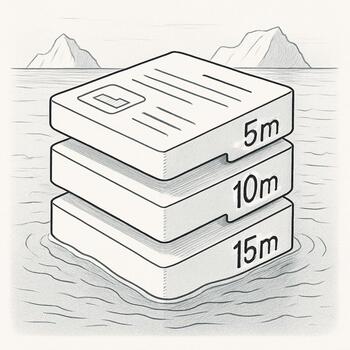
Shallow shelf 1.5–2.5 m · weed & rock
Middle room 2.5–4.0 m · mixed bottom
Deep window 4.0+ m · soft mud

Quick filters

Grab three nights with the same feeling

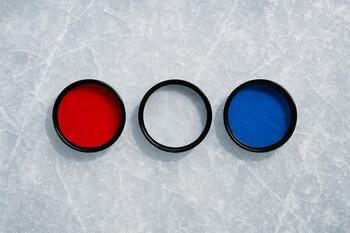
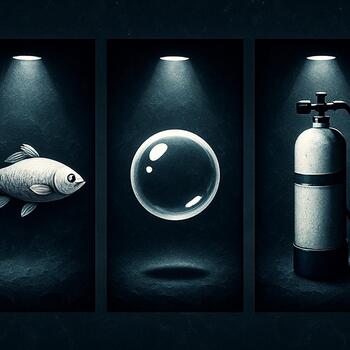
We use a small strip of filters to ask for “rush hour”, “solo scout” or “calm window” runs in seconds.
Episode anatomy

What one logbook entry is made of

Every episode is the same small bundle: one key frame, a card and a short note about sound and mood.

  • A still from the camera that tells the whole story.
  • Three lines of text: setup, behavior, takeaway.
Under-ice episode frame with subtle marks around the fish and lure
Marked frame: where the lure sits, where the fish wait.
Printed episode card with depth, light and behavior lines
Card layout: depth, cone, bottom and short behavior note.
Audio track strip with two highlighted reaction moments
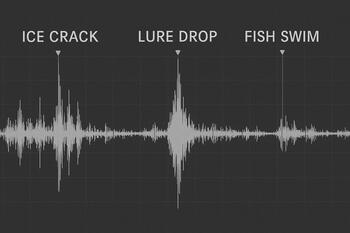
Audio strip: two spikes where the hut wakes up.

Bottom textures

A belt of frames just for the floor

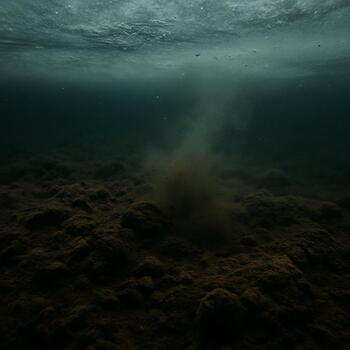
We keep a separate belt for the bottom itself: clean sand, soft mud and messy weed.
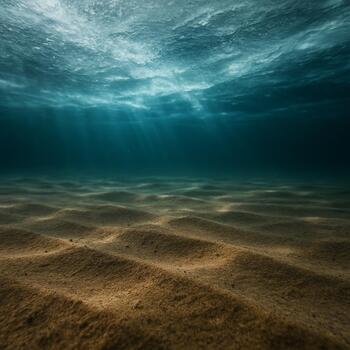
Under-ice frame showing clean sand with fine ripples

Rippled sand

Shallow shelf · bright cone

Soft mud bottom with faint marks from fish and tackle

Soft mud

Middle room · dome light

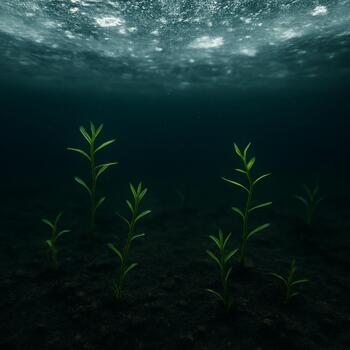
Tangled weed patch lit from the side under the ice

Weed edge

Edge zone · side beam

Light cones

Two simple cones that cover most nights

In the logbook we only name two: narrow spot and soft dome. Each one makes a different kind of story.
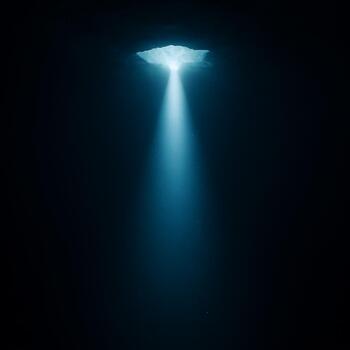
Under-ice scene with a tight beam of light around the lure

Narrow spot

Tight beam, one clear circle, fish cutting in and out at the edge.

Wide dome of light under the ice with fish scattered in the middle

Soft dome

Wide, gentle glow, fish staying inside the frame for a long time.

Micro episodes

Tiny runs you can scan in a few seconds

Some nights are too small for full cards. We keep them as short “micro episodes”: one frame, one line, one takeaway.

Tiny frame of a single fish flashing through a narrow light cone

Clear flash

2.4 m · narrow spot

One pass, no return, lure never touched.
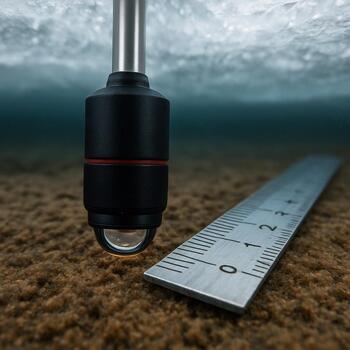
Under-ice frame where a single fish inspects the bottom near the lure

Floor check

3.1 m · mixed bottom

Fish studies the floor, not the lure.
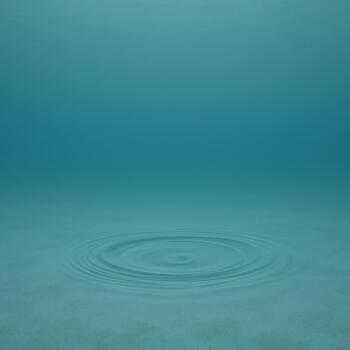
Small fish looping slowly at the edge of a soft dome of light

Quiet loop

3.8 m · soft dome

Slow circles, no hurry, no bite, lesson in patience.
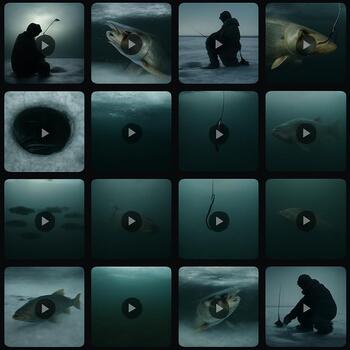
Index wall

A whole season pinned where you can see it

At home we pin printed cards to a simple board. Weeks of ice turn into one big, readable surface.

  • Episodes cluster by season, depth lane and light cone.
  • Empty spaces show where new stories still fit in.

Stacks

Keep nights in small, themed piles

Not every group lives on the wall. Some nights stay in small stacks: “solo scout runs”, “weed edge checks”, “deep window tests”.

Entry check

Quick panel before an episode joins the logbook

Before an episode lands on the wall, it passes one quiet check: frame, notes and tag line agree with each other.
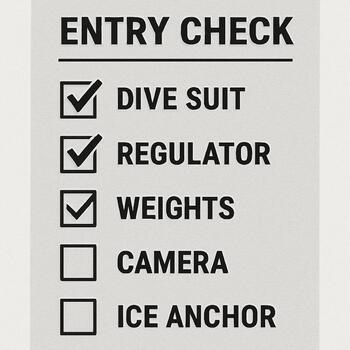
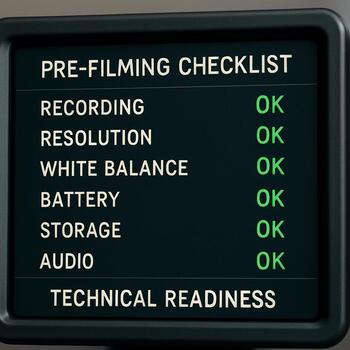
  • Key frame shows both lure and how the fish behave.
  • Tag line matches what the clip actually feels like.

Season ribbons

Early glass, deep midwinter and last thin songs

We group nights into three soft “ribbons”: first clear panes, dense midwinter ice and the last thin, ringing sheets.
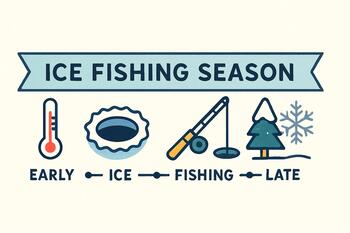
Ice ribbons

  • Glass line — first clear slabs, light flooding the cone.
  • Deep hush — thick roofs, softer sound and light.
  • Last song — thin plates that sing with every step.

Sound notes

A thin sound line for each recorded night

The logbook keeps a tiny track of what the hut sounded like: doors, soft steps, quiet talk and the moment the rod finally moved.

  • Each spike on the line gets one word, not a full sentence.
  • Later, sound marks help explain why fish sped up or slowed down.

Next pages

The logbook grows one quiet night at a time

There is no rush to fill every square on the wall. Each new card should come from a night where camera, light and story worked together.